Tea is a perfectly simple way to access the health benefits of herbs and making your own is fun and much cheaper. The health benefits of various herbal teas depend on their composition. Sometimes, this is just a single ingredient, while other times it is a combination of a few herbs and flowers. There are a lot of different types of herbal teas, but many have similar benefits.
Herbal infusion (most herbs)
Method:
Use 1 heaped teaspoon of dried herb per cup required.
Add to Pot
Pour over boiling water.
Allow to infuse for 4-6 minutes.
Strain into a cup and enjoy.
DAMIANA LEAF
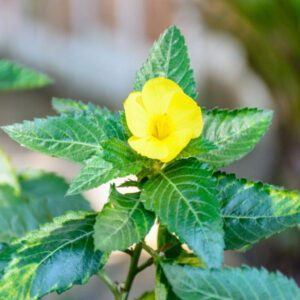
Damiana is a wild shrub that grows in Mexico, Central America, and the West Indies. The leaf and stem are used to make medicine. Historically, it was used mostly to increase sexual desire (as an aphrodisiac). Damiana is used to treat headache, depression, nervous stomach, and constipation; for prevention and treatment of sexual problems; boosting and maintaining mental and physical stamina;
Damiana herb
Botanical name:
Turnera diffusa
Product of Central/South America
Other Names: Old Woman’s Broom, Mexican Damiana, Mexican Holly, Herba de la Pastora, Aphrodisiakos, Goddess of Love, Love Leaf, Hierba del Amor & Chanana
The Damiana plant is so important that it has been classified in Mexico as a “national treasure” and now a prohibited export as a live plant.
Herbal ‘Tea’ Infusion.
Use 1 heaped teaspoon per cup required
Place in pot
Add boiling water.
Allow to infuse for 4-6 minutes
Strain into a cup and enjoy
Use only 4- 5 times per week for best effects.
May be used with an added sweetener if required.
Best taken without milk
MARSHMALLOW LEAF
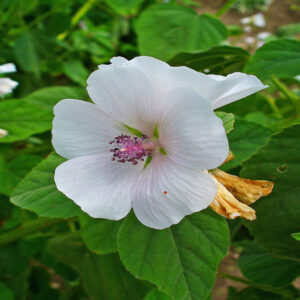
Marshmallow plant is used most commonly to ease sore throats and dry coughs. Marshmallow has a soothing effect on inflamed membranes in the mouth and throat.This plant can also be used for heartburn, indigestion, stomach ulcers, and skin conditions such as eczema and dermatitis.It is also thought to help with asthma.The roots and leaves are the parts of the plant that are most commonly used.Sore throats and coughs are best treated with a tincture, where as stomach conditions are best treated with a tea.
Latin Name: Althaea officinalis syn. Althaea sublobata, Althaea taurinensis, Althaea vulgaris, Malva officinalis.
Plant Family: Malvaceae
Other Names: Marsh mallow, English Mallow, Mallards, Schloss Tea, Meshmellish, Cheeses, Wymote & Sweet Weed
Herbal infusion
Method:
Use 1 heaped TEAspoon per cup required.
Add to Pot
Pour over boiling water.
Allow to infuse for 4-6 minutes.
Strain into a cup and enjoy.
Can be taken when desired up to 3 times per 24 hours
YARROW
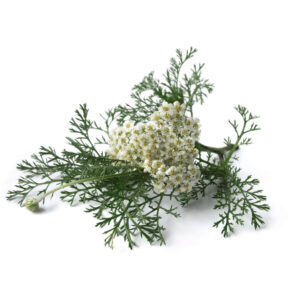
Yarrow is an herb. The above ground parts are used to make medicine. Yarrow is used for fever, common cold, hay fever, absence of menstruation, dysentery, diarrhea, loss of appetite, gastrointestinal (GI) tract discomfort, and to induce sweating. Some people chew the fresh leaves to relieve toothache.
Arrow-root, bloodwort, greenarrow, milfoil, nosebleed, sneezewort, thousand-leaf, yallow
Achillea millefolium L., (A. lanulosa
.
A good blend is achieved using Yarrow and Elderflowers.
Adding a little Honey may be required for some tastes.
You can also add a slice of Lemon if required, as this gives a ‘tang’ to the drink.
Directions:
Use 1 heaped teaspoon per cup required.
Place herb in pot.
Add boiling water.
Allow to infuse for 5-8 minutes.
Stir well.
Strain into a cup and enjoy
RASPBERRY LEAF
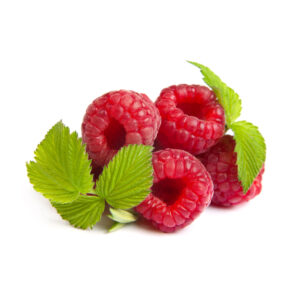
Red raspberry is a plant native to Europe and parts of Asia and known for its sweet, nutritious berries.Yet, its leaves are loaded with nutrients as well and often used to make an herbal tea that has medicinal uses.For centuries, red raspberry leaves have been used to treat various health ailments and induce labour during pregnancy.
No additives, no chemicals- just pure Raspberry leaf.
The Raspberry leaf is also becoming well known for their anti-oxidant qualities, and their power to fight free radicals.
RASPBERRY LEAF
- Other common names
- common raspberry
European raspberryFamily Rosaceae - Genus Rubus can be deciduous or evergreen shrubs, often scrambling with bristly or prickly stems bearing simple, lobed, palmate or pinnate leaves and 5-petalled flowers followed by juicy, sometimes edible fruits
- Details R. idaeus is a vigorous, deciduous shrub producing erect, biennial stems to 2.5m tall with or without prickles. Leaves are divided into 3-5 or 7 leaflets, each of which is coarsely-toothed and covered with a white felt on the underside. Clusters of white flowers borne on year-old stems in summer are followed by red, edible fruits
- Plant range Europe, N Asia
Method.
Use 1 heaped tablespoon per cup required. (2g)
Place in pot.
Add boiling water.
Allow to infuse for 5 – 8 minutes.
Strain into a cup and enjoy